
Smokeless nicotine alternatives are quickly gaining popularity among the youth, especially those looking to quit smoking or maintain a tobacco-free lifestyle.
Among these alternatives, nicotine strips and nicotine pouches stand out for their convenience, discretion, and smoke-free delivery. Both offer a modern solution to traditional smoking, but they differ in format, usage, and experience.
This article explores their key differences to help you decide which option better suits your needs, lifestyle, and quit-smoking goals.
What Are Nicotine Pouches and Strips?
Nicotine pouches are small, white packets filled with nicotine, flavorings, and plant-based fibers. They’re placed under the upper lip and don’t require spitting or inhalation, making them a clean, smokeless option. Popular brands include ZYN, VELO, On!, and Rogue.
Nicotine strips, in contrast, are thin, dissolvable films that stick to the tongue or inside the cheek. They’re newer to the market but are gaining attention for their discreet and mess-free design.
How Do They Work?
Nicotine pouches work by releasing nicotine slowly through the gum tissues over 20 to 40 minutes. The effects build gradually, mimicking the feel of a cigarette but without smoke or odor.
Nicotine strips dissolve fully in the mouth within a few minutes and absorb quickly through the mucous membranes. This gives users a faster nicotine hit, ideal for managing sudden cravings.
Absorption Rate and Nicotine Delivery
This table shows difference between the absorption rate and nicotine delivery of nicotine strips and nicotine pouches:
| Features | Nicotine Strips | Nicotine Pouches |
|---|---|---|
| Absorption speed | Fast (2–5 minutes) | Slow to moderate (20-40 minutes) |
| Nicotine delivery | Quick, sharp hit | gradual, steady release |
| Onset of effect | Almost immediate | Take a few minutes to build |
| Duration of effect | Shorter-lasting | longer-lasting |
| Best for | Quick craving test | Sustained nicotine experience |
Taste, Flavor, and Afterfeel
Nicotine pouches come in a wide range of flavors, from mint and citrus to coffee and berry, making them popular among users who value taste. They offer a smooth mouthfeel, though some users report a salty or slightly bitter undertone. The flavor usually lasts 20–30 minutes without much residue.
- Variety of Flavors: Offers a broad selection to cater to diverse taste preferences.
- Smooth Consumption Experience: Provides a pleasant mouthfeel with minimal irritation.
- Long-Lasting Flavor: Ensures the taste remains enjoyable for an extended period without lingering residue.
In contrast, nicotine strips are thinner in variety, typically offering mint or medicinal flavors. They dissolve quickly and may leave a slightly bitter or dry aftertaste, especially if the formulation is strong. The fast absorption can also create a sharp, numbing feel on the tongue, which some users find unpleasant over time.
- Potential for Unpleasant Aftertaste: May leave a bitter or dry sensation, especially with higher nicotine concentrations.
- Limited Flavor Options: Primarily available in simple flavors like mint or medicinal.
- Rapid Dissolution: Quickly dissolves in the mouth for swift nicotine delivery.
Portability and Discretion
Both nicotine strips and pouches are discreet, but strips tend to be slightly more low-profile. Strips dissolve completely in the mouth, leaving nothing to remove or discard, making them ideal for quick, invisible use in public.
Pouches, while still discreet, require placement under the lip and later disposal, which may be less convenient in formal settings.
Ingredients and Additives
Nicotine pouches are typically made from plant fibers, nicotine salts, flavorings, and pH adjusters, with some brands emphasizing tobacco-free and all-natural formulations. However, they often include sweeteners and moisture-controlling agents to enhance shelf life and flavor delivery.
Nicotine strips, on the other hand, use dissolvable film materials combined with nicotine, binding agents, flavoring, and sometimes gelling substances. Strips may contain more synthetic components due to their need to dissolve cleanly in the mouth.
While neither product is entirely free of additives, pouches tend to offer more “clean-label” options with fewer chemical-sounding ingredients. Those concerned with artificial additives should review brand-specific ingredient lists before choosing.
Cost and Availability
Nicotine pouches are widely available both in physical stores and online, with popular brands like ZYN, VELO, and RASCAL offering multiple strength and flavor options. They typically come in cans of 15–20 pouches and cost between $3 and $6 per can, depending on brand and region.
Nicotine strips, being newer to the market, have more limited availability and are mostly found online or in select pharmacies. They are often sold in smaller pack sizes (10–15 strips) and may be slightly more expensive per unit.
As demand grows, availability for strips may improve, but pouches remain the more accessible and affordable option for now.
Suitability for Quitting Smoking
When it comes to quitting smoking, both nicotine pouches and strips offer smoke-free nicotine delivery, but they serve different needs. Pouches tend to be more effective at managing cravings over longer periods due to their slower, sustained release and tactile use, mimicking the oral fixation of smoking. Their variety in strengths and flavors also helps personalize the quitting process. Strips, on the other hand, act faster and may be better for sudden, strong cravings, but lack the behavioral aspect that helps many smokers cope. They dissolve quickly and don’t require placement or handling, which reduces ritual but may not fulfill habitual gestures. Overall, pouches often provide more comprehensive support, especially for behavioral and psychological smoking triggers.
Potential Side Effects of Each
Both nicotine strips and pouches offer a cleaner experience than smoking, but each comes with its own set of side effects depending on usage habits and individual tolerance. Here’s a breakdown of what users may experience:
- Gum Sensitivity (Pouches): Extended use, especially with high-strength pouches, may irritate the area under the lip or cause gum discomfort over time.
- Mouth Dryness (Both): Both products can reduce saliva production, leading to dry mouth, more noticeable with strips due to rapid absorption.
- Tingling or Burning Sensation (Pouches): A common reaction during the first few uses; it usually fades as users adjust.
- Bitter Aftertaste or Nausea (Strips): Some users report a slightly bitter flavor or mild nausea if nicotine is absorbed too quickly.
- Stomach Upset (Strips): Strips dissolve quickly and can lead to minor digestive discomfort, especially in users with lower nicotine tolerance.
Staying hydrated and choosing appropriate strengths can help reduce these effects with either method.
Which one is better for beginners?
Nicotine pouches are generally better for beginners due to their gentle release and easy dosage control. They come in low strengths like 2 mg, making them easier to adjust based on cravings. Strips work faster but may cause discomfort or nausea in new users. Pouches offer a milder, more manageable experience for first-time users.
Are nicotine strips stronger than pouches?
Not necessarily. Strips may feel stronger due to faster absorption, but actual nicotine content can vary. Pouches often come in a wider range of strengths (2–12 mg), offering more control. Strips typically deliver nicotine rapidly but in lower doses.
Are either of them safe for long-term use?
Both options are considered safer than smoking, but long-term effects are still being studied. Chronic use may still lead to dependence, and oral health issues are possible with either method if used excessively.
Can I use both nicotine strips and pouches in one day?
Yes, but be cautious. Combining both increases nicotine intake, which could lead to nausea, dizziness, or heightened dependence. Monitor usage carefully.
Do strips or pouches cause more mouth irritation?
Strips can cause brief tingling or burning, especially under the tongue. Pouches might irritate the gum line if placed repeatedly in the same spot. Sensitivity varies by user.
Final Thoughts
Choosing between nicotine pouches and strips ultimately depends on your personal preferences, lifestyle, and specific needs in your journey to quit smoking. Both options provide effective, smoke-free alternatives that can help manage cravings and support a tobacco-free lifestyle. By understanding their unique features and benefits, you can make an informed decision that best aligns with your goals and habits.
- Nicotine Pouches: Ideal for those seeking a sustained and customizable nicotine experience with a variety of flavors and strengths to support long-term smoking cessation.
- Nicotine Strips: Perfect for individuals who need a quick and discreet solution to manage sudden cravings without the need for placement or disposal.
Ready to make the switch? Explore our range of nicotine pouches here and take the first step towards a smoke-free lifestyle today!
Check out our Best Selling Products
-
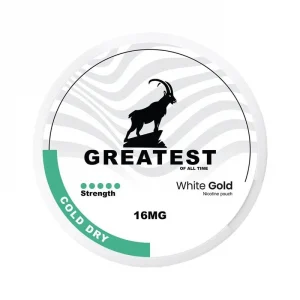
Greatest Cold Dry Strong
Original price was: €4.79.€2.99Current price is: €2.99. -
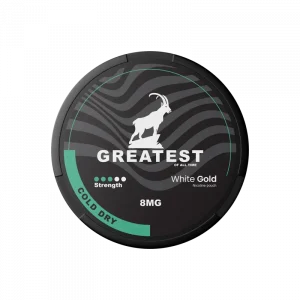
Greatest Cold Dry (8mg)
Original price was: €4.79.€2.99Current price is: €2.99. -
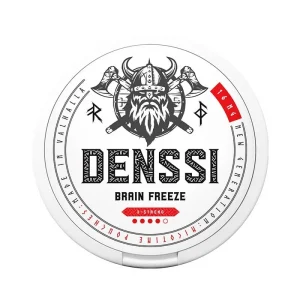
Denssi Brain Freeze (16mg)
Original price was: €4.49.€2.99Current price is: €2.99. -
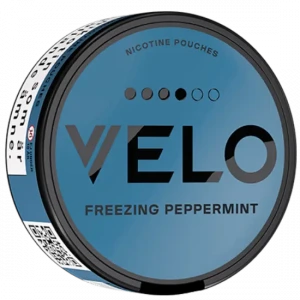
VELO Freezing Peppermint
Original price was: €4.99.€3.99Current price is: €3.99.